Water tank in your campervan: clean water, the right capacity and proper maintenance
Summary: campervan water tank at a glance
- Every campervan has a fresh water and a waste water tank
- The right capacity depends on your travel style and group size
- Regular cleaning prevents odours and bacteria
- Water points and service stations are essential on the road
- Good maintenance prevents leaks and frost damage
What is a water tank in a campervan?
The water tank in your campervan supplies you with water for drinking, cooking and washing. The system typically consists of:
- a fresh water tank
- a waste water tank
- pipes, taps and a water pump
Together they form the water system of your campervan.
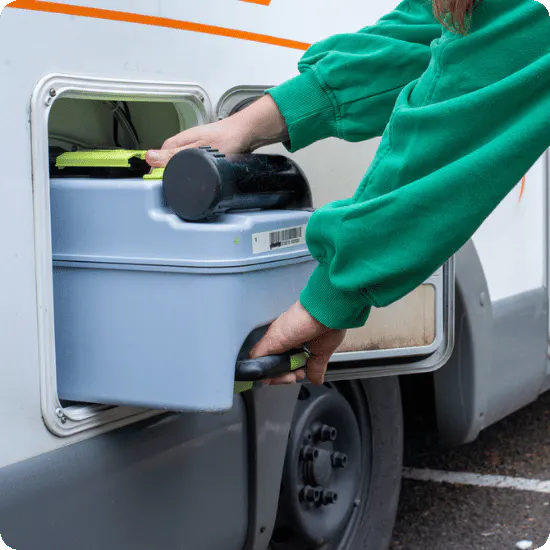
Fresh water tank and waste water tank: the difference
Fresh water tank
This is where you store clean water for daily use. Capacity varies considerably between campervan types.
Waste water tank
This collects used water from the sink and shower. It is important to empty it regularly at designated service stations.
What water tank capacity do you need?
The ideal capacity depends on:
- the number of people
- how often you shower
- how often you refill
Guidelines
- 1–2 people: 80–120 litres
- Family or long trips: 120–150 litres or more
If you often wild camp, a larger tank is more practical. On campsites you can usually refill more easily.
Types of water tanks for campervans
Fixed water tank
Built into or under the campervan. Comfortable and spacious, but less flexible.
Portable water tank or roll tank
Handy for smaller campervans or as an extra supply.
Jerry can solution
Simple and flexible, especially for camper vans or short trips.
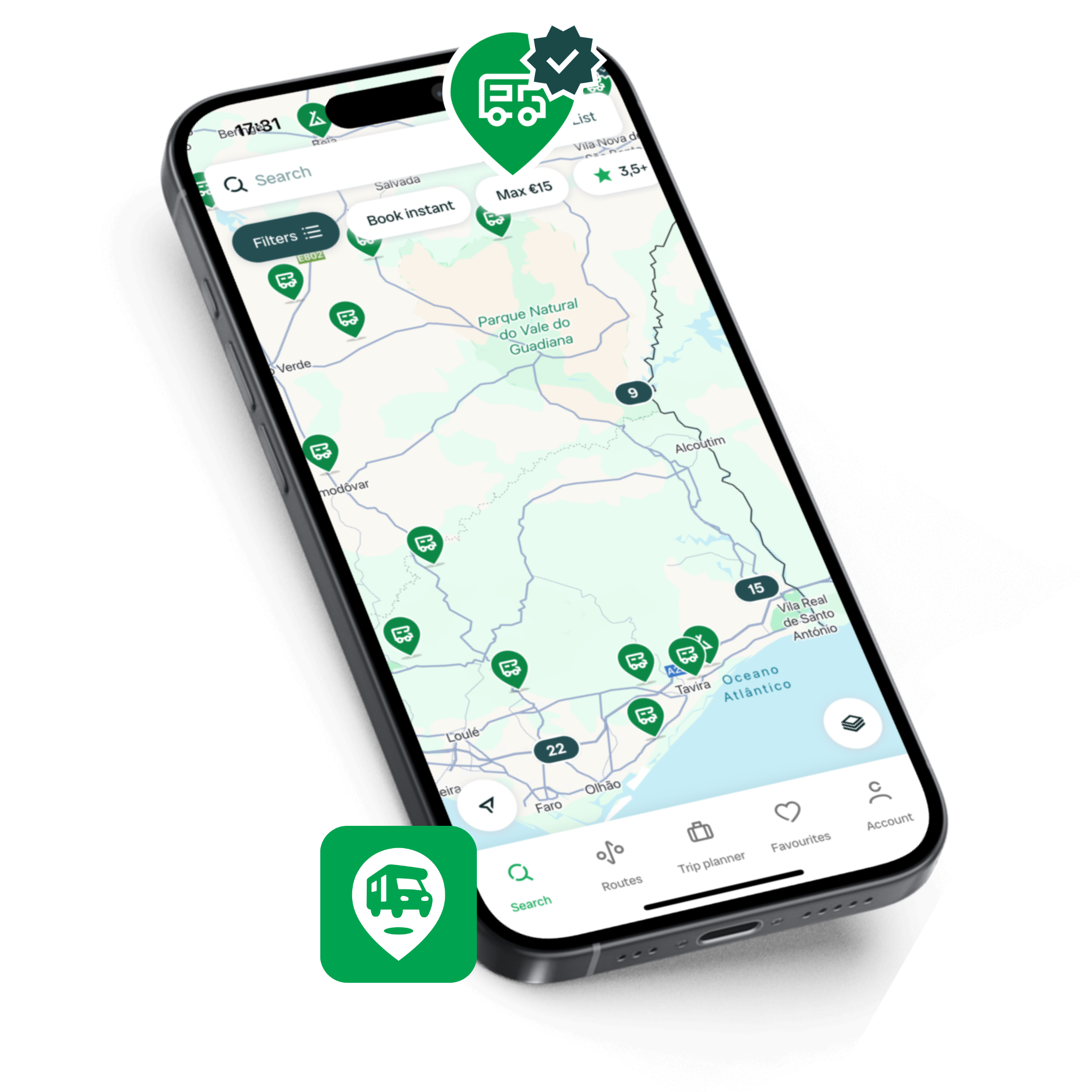
60,000+ motorhome sites with the free Campercontact app
With the Campercontact app on Android and iOS you can easily find the best motorhome stopovers and campsites, wherever you are, even offline!
4.6
21.5K reviews
1M+ downloads (Source: App Store)


Filling up with water: where and how?
You can refill your water at:
- campervan pitches with a water supply
- campsites
- dedicated service stations
Always use a clean fill hose and make sure the hose does not come into contact with dirt.
Cleaning your water tank (step by step)
A clean water tank is essential for hygiene.
How to do it
- Empty the tank
- Clean with a suitable product
- Rinse thoroughly
- Include the pipes in the process
Repeat this several times a year, and always after a long period of non-use.
Maintenance and winterising
Before winter:
- Completely empty the water tank
- Drain the pipes and pump
- Leave taps open
This prevents frost damage to the tank and pipes.
Common problems
Bad smell or taste
Often a sign of bacterial growth. Clean the tank and pipes thoroughly.
Leaks or pressure loss
Check connections, hoses and the water pump in your campervan. Read more in our guide on the campervan water pump
Smart water management on the road
- Use water mindfully
- Refill whenever you get the chance
- Combine water management with your energy planning
If you use solar panels and travel off-grid, efficient water use is even more important. Read more at solar panels on your campervan
Frequently asked questions about water tanks in campervans
How often should I clean my water tank?
At least twice a year and always after a long period of non-use.
Can I fill up with water anywhere?
No, only use official water points or service stations.
How do I prevent my water tank from freezing?
Completely empty the tank and pipes before temperatures drop below freezing.
Campercontact PRO+
Find your ideal camper spot. Always, everywhere. With over 70 handy filters. Through tips, photos and reviews from over 1 million campers.
- Ad-free
- Use offline
- Travel planner
- Navigate